
Skip to content
Sora Lifesciences
Insights

Market Intelligence

Understand market dynamics, quantify opportunities, assess competitive landscapes, and evaluate the factors shaping market growth through comprehensive, evidence-based analysis.

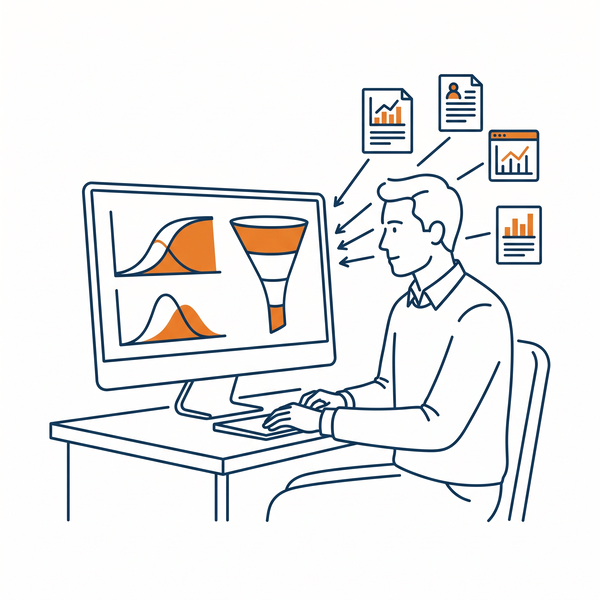
Analyst reviewing epidemiology and procedure-volume charts
01 / 06

Market Landscape Assessment

A successful strategy begins with a clear understanding of the market. Our Market Landscape Assessments provide a comprehensive view of the healthcare ecosystem, helping organizations evaluate market dynamics, identify opportunities, understand customer behavior, and make informed commercial and investment decisions. Typical turnaround is 2–3 weeks.

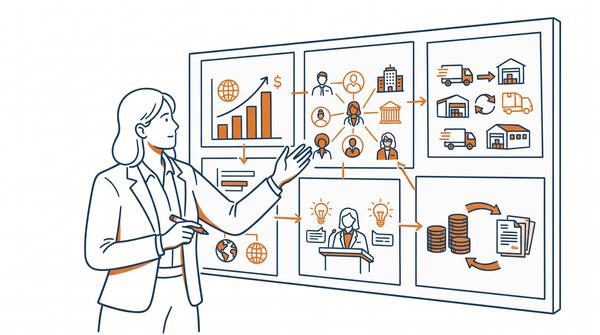
A consultant laying out market size, key players, distributors, KOLs and reimbursement as one connected board

What the assessment covers

Our specialty is the KOL interview layer — uncovering the insight that published sources alone will not give you.

  • Local market size, with key healthcare and facility infrastructure
  • Procedure volumes
  • Key players and their offerings — both MNC and local players
  • Key distributors and KOLs
  • Reimbursement landscape — payors, reimbursement amounts, pricing
Methodology
  • Secondary market research
  • Competitive intelligence
  • Primary interviews with healthcare stakeholders
  • Expert opinion and KOL insights
Key question we answer

What does this market actually look like before we commit to entering it?

02 / 06

Market Sizing / Market Potential (TAM/SAM/SOM)

Reliable market sizing requires more than applying industry growth rates. We develop robust, evidence-based estimates by triangulating multiple data sources, healthcare datasets, and primary research.

TAMSAMSOM
  1. 01

    Define the Market

    Establish a clear market definition — product scope, target indications, customer segments, and geographic boundaries — so the assessment reflects the true addressable opportunity.

  2. 02

    Build the Market Model

    Develop a tailored sizing methodology using the most appropriate combination of approaches:

    • Top-down market modelling
    • Bottom-up market estimation
    • Epidemiology-based modelling
    • Procedure volume modelling
    • Installed base analysis
    • Consumption and utilization modelling
    • Healthcare infrastructure analysis
  3. 03

    Validate Key Assumptions

    Our differentiator

    Every model is validated through multiple independent evidence sources to improve accuracy and reliability:

    • KOL interviews
    • Distributor and manufacturer interviews
    • Physician surveys
    • Government and public-health databases
    • Company reports
    • Industry associations
    • Hospital procurement data, where available
  4. 04

    Develop Market Forecasts

    Project future potential by evaluating the variables most likely to influence growth:

    • Disease prevalence and incidence
    • Procedure volume growth
    • Demographic trends
    • Technology adoption rates
    • Regulatory changes
    • Reimbursement evolution
    • Competitive landscape
    • Healthcare expenditure
    • Government initiatives
    • Pricing dynamics
03 / 06

Healthcare Infrastructure Mapping

The success of a healthcare product depends not only on demand but on the infrastructure required to deliver care. We map the ecosystem so you can see where opportunities exist and where infrastructure gaps may limit adoption.

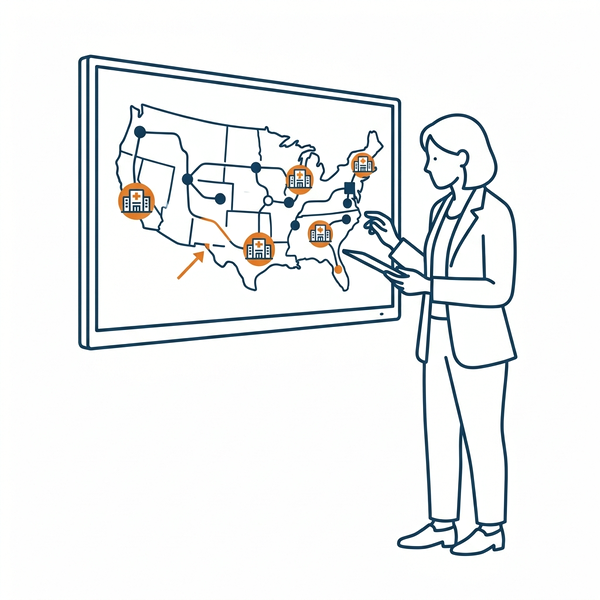
Mapping healthcare facilities and workforce across a region
01

Healthcare Facility Mapping

Assess the facilities and care settings relevant to your product or therapy:

  • Number and type of healthcare facilities
  • Public vs. private healthcare landscape
  • Hospital tiering and referral networks
  • Centers of Excellence
  • Geographic distribution of facilities
02

Healthcare Workforce Assessment

Evaluate the professionals responsible for diagnosis, treatment, and product adoption:

  • Physician and specialist density
  • Allied healthcare professionals
  • Training and certification levels
  • Referral patterns
  • KOL and opinion-leader mapping
04 / 06

Disease Epidemiology / Procedure Volume Estimation

Understanding the true size of a disease population or procedure market is critical for evaluating opportunities and planning entry. We build reliable estimates even where published data is scarce.

An analyst modelling disease population and procedure volumes
  1. 01

    Disease & Clinical Pathway Assessment

    • Disease definition and classification
    • Patient journey mapping
    • Clinical care pathways
    • Diagnostic and treatment algorithms
    • Patient flow across care settings
  2. 02

    Epidemiology & Procedure Modelling

    • Incidence and prevalence estimation
    • Eligible patient population
    • Disease segmentation by severity/stage
    • Procedure volume estimation
    • Treatment and intervention rates
    • Geographic and demographic segmentation
  3. 03

    Evidence Triangulation & Validation

    • Targeted scientific literature reviews
    • National disease registries
    • Government and public-health databases
    • Clinical practice guidelines
    • Published clinical studies
    • Hospital statistics
    • Expert interviews with physicians and KOLs
  4. 04

    Forecasting & Opportunity Assessment

    • Demographic changes
    • Disease incidence trends
    • Screening and diagnosis rates
    • Treatment adoption
    • Clinical guideline changes
    • Healthcare policy
05 / 06

Reimbursement Landscape & Data Analytics

Payors, reimbursement amounts, and pricing dynamics across target markets.

06 / 06

Disease & Clinical Care Pathway Intelligence

Foundational intelligence on the evolving patient journey for R&D and commercial teams.

Case studies

This service in practice

Get in touch

Ready to talk about Market Intelligence?

Tell us the decision you're facing and we'll scope an evidence-based approach.

© 2026 Sora Life Sciences. All rights reserved.